
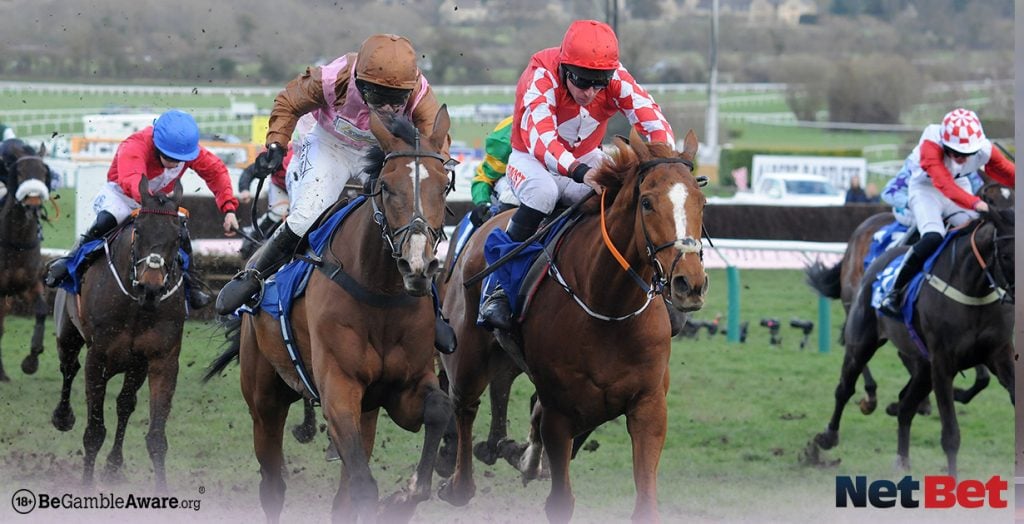
Starting Price, usually shortened to SP, is the official price assigned to a horse when a race begins. If you place a horse racing bet at SP, you do not lock in the price available when you place the wager. Instead, your bet is settled using the horse’s eventual Starting Price.
For example, you might place a £10 bet on a horse at SP several hours before a race. If the horse’s Starting Price is eventually confirmed as 4/1, your wager is settled at 4/1.
Understanding SP is useful because horse racing odds can change considerably before a race begins. If you are new to racing and want to understand the sport’s markets more generally, our How to Bet on Horse Racing guide provides a broader introduction to placing horse racing bets.
What Does SP Mean in Horse Racing?
SP stands for Starting Price.
It represents the official odds for a runner when the race starts. When a bettor chooses SP, they agree to have their wager settled using this price rather than accepting an earlier fixed price.
Suppose you place £10 on Silver Star at SP.
When the race begins, Silver Star’s official Starting Price is 4/1.
If Silver Star wins:
Potential profit: £40
Stake returned: £10
Total potential return: £50
The important point is that you did not know that the final price would be 4/1 when you placed the SP bet.
When Is the Starting Price Determined?
The Starting Price is established at the start of the race, based on the betting market immediately before the off.
Before this point, a horse’s odds can change as the market develops.
For example:
10:00 – Silver Star is 5/1
12:00 – Silver Star is 9/2
13:30 – Silver Star is 4/1
14:00 – Race begins and SP is established
If the official SP is 4/1, a bettor who selected SP would have their wager settled at 4/1.
The Starting Price should not simply be thought of as the final price displayed by one particular bookmaker. It is an official Starting Price established for the race.
How Does Betting at SP Work?
Betting at SP means choosing the Starting Price instead of accepting the fixed odds currently available.
Imagine Silver Star is available at 5/1 in the morning. You decide to place a £10 wager at SP rather than taking the 5/1.
The horse’s odds then shorten during the day and its eventual Starting Price is 4/1.
Because you selected SP, your wager is settled at 4/1 rather than the earlier 5/1.
If Silver Star wins, the calculation is:
£10 × 4 = £40 potential profit
Add the £10 stake and the total potential return is £50.
Had you accepted 5/1 earlier, the potential profit would have been £50 and the total potential return £60, subject to the applicable betting terms.
However, prices can move in the opposite direction too, which is why an early price is not automatically better than SP.
What Is an Early Price in Horse Racing?
An early or fixed price is an available price that you can accept before the race begins.
If Silver Star is priced at 5/1 and you take that price, 5/1 is generally the price attached to your wager, subject to the applicable terms and any relevant adjustments.
The horse’s market price can continue to move afterwards.
For example:
Early price accepted: 5/1
Later market price: 4/1
Starting Price: 3/1
The bettor who accepted 5/1 has generally retained that price, while someone who selected SP would have their wager settled at the eventual 3/1.
The difference is therefore straightforward: with a fixed price, you know the odds when placing the bet. With SP, the final odds are not known until the race begins.
Starting Price vs Early Price
The two options can be compared as follows:
| Feature | Starting Price | Early/Fixed Price |
| When are the final odds known? | At the start of the race | When the bet is placed |
| Is the price locked when betting? | No | Generally yes |
| Can later market movement affect the odds used? | Yes | Generally no |
| Can SP be shorter than an earlier price? | Yes | — |
| Can SP be longer than an earlier price? | Yes | — |
Neither option guarantees better odds.
The eventual Starting Price can move in either direction compared with the prices available earlier in the day.
What Does It Mean When a Horse’s Price Shortens?
A horse’s price has shortened when its odds become lower.
For example:
Morning price: 6/1
Starting Price: 3/1
The horse has shortened from 6/1 to 3/1.
For a £10 winning wager, the difference in potential returns would be:
6/1 → £60 potential profit + £10 stake = £70 total potential return
3/1 → £30 potential profit + £10 stake = £40 total potential return
In this example, someone who accepted the earlier 6/1 would have a larger potential return than someone who selected the eventual 3/1 SP.
Shortening odds reflect movement in the betting market. They do not guarantee that the horse will win.
What Does It Mean When a Horse’s Price Drifts?
A horse’s price has drifted or lengthened when the odds become longer.
For example:
Morning price: 3/1
Starting Price: 6/1
Someone who accepted the earlier 3/1 would generally have that price attached to their wager.
Someone who selected SP would receive the eventual 6/1 Starting Price.
For a £10 winning wager:
3/1 → £30 potential profit + £10 stake = £40 total potential return
6/1 → £60 potential profit + £10 stake = £70 total potential return
In this example, the SP produces the larger potential return.
This illustrates why it is impossible to say that either SP or an earlier fixed price will always produce the better price.
Is Starting Price Always Better Than an Early Price?
No. Neither Starting Price nor an early price is automatically better.
If you take an early price of 5/1 and the horse shortens to an SP of 3/1, the earlier 5/1 is the higher price.
If you take an early price of 3/1 and the horse instead drifts to an SP of 5/1, the Starting Price is higher.
When choosing SP, you cannot know in advance exactly where the final price will settle.
The eventual odds also have no effect on whether the horse actually wins or loses the race. A longer or shorter price changes the potential return, not the sporting result.
How Does SP Affect Your Potential Return?
If you select SP, the eventual Starting Price is used to calculate the potential return.
Here are some simple examples using a £10 stake:
| Stake | SP | Potential Profit | Total Potential Return |
| £10 | 2/1 | £20 | £30 |
| £10 | 3/1 | £30 | £40 |
| £10 | 5/1 | £50 | £60 |
| £10 | 10/1 | £100 | £110 |
Remember that the total potential return includes the original stake.
If a £10 bet wins at 5/1, the potential profit is £50 and the total potential return is £60.
Can Starting Price Be Shown as Decimal Odds?
Horse racing Starting Prices in Britain and Ireland are commonly discussed using fractional odds, such as 2/1, 5/1 or 10/1.
However, depending on the platform and odds display settings, equivalent prices can also be represented using decimal odds.
For example:
| Fractional Odds | Decimal Equivalent |
| 2/1 | 3.00 |
| 3/1 | 4.00 |
| 5/1 | 6.00 |
| 10/1 | 11.00 |
The format changes how the price is displayed, but equivalent fractional and decimal odds represent the same underlying betting price.
What Does SP Favourite Mean?
An SP favourite is the runner with the shortest Starting Price when the race begins.
For example:
Silver Star – 2/1
Golden Road – 4/1
Blue River – 6/1
Silver Star is the SP favourite because 2/1 is the shortest of the three Starting Prices.
Favourite status reflects the betting market at the start of the race. It does not mean that the favourite is guaranteed to win.
If two horses share the shortest Starting Price, they can be described as joint favourites.
For example:
Silver Star – 3/1
Golden Road – 3/1
Blue River – 5/1
Silver Star and Golden Road are joint favourites.
Does SP Tell You How Likely a Horse Is to Win?
Starting Price can be converted into an implied probability, meaning the likelihood represented by the betting price.
Shorter odds represent a higher implied probability, while longer odds represent a lower implied probability.
For example, 2/1 represents a higher implied probability than 10/1.
However, this does not mean SP can tell you what will happen in the race. Horse racing results remain uncertain, and even a short-priced favourite can lose.
SP should therefore be understood as a betting price rather than a prediction or guarantee.
Where Can You See a Horse’s Starting Price?
Before the race, you may see several current prices available for each runner. If SP betting is available, you can choose SP instead of accepting one of those fixed prices.
Once the race starts and the Starting Prices have been established, they are commonly displayed alongside the official race result.
For example:
1st Silver Star – 4/1
2nd Golden Road – 7/2
3rd Blue River – 8/1
These prices show the runners’ Starting Prices and can be used for settling wagers that were placed at SP.
How Is SP Different From the Odds Shown on a Racecard?
A racecard can display the current betting odds available for each runner before a race.
These prices can change.
For example, a horse might be:
5/1 in the morning
9/2 around midday
4/1 shortly before the race
None of those prices necessarily has to become the eventual SP.
The Starting Price is established when the race begins.
If you are unfamiliar with the other numbers, letters and abbreviations shown alongside a runner, our guide to How to read a horse racing racecard explains form figures, Official Ratings, weights, draw numbers and other common racecard information.
What Happens to SP Bets If a Horse Is a Non-Runner?
A non-runner is a horse that was entered for a race but does not ultimately take part.
If the horse you selected at SP is declared a non-runner, the wager is generally void and the original stake returned, subject to the applicable betting rules.
Withdrawals can also affect the wider race and betting market, so it is worth checking the latest runner information as the race approaches.
Our guide to What happens to your bet if a horse is a non-runner? explains non-runner settlement in more detail, including how withdrawals can affect existing horse racing bets.
Is SP the Same for Every Horse Racing Bet?
No. Starting Price is particularly associated with betting on individual runners in horse racing and is available for eligible markets.
Not every horse racing market necessarily uses SP.
For example, some wagers may be offered at a specific fixed price rather than giving you the option to select Starting Price.
The market and bet slip should therefore be checked before placing a wager to confirm which price has been selected.
How to Place a Horse Racing Bet at SP
When SP is offered, the basic process is straightforward.
Choose the race and horse you want to bet on. Instead of accepting the current fixed odds, select the SP option where available.
Enter your stake and review the bet slip to make sure SP is selected before confirming the wager.
The final price will not be known at this stage. Once the race begins and the official Starting Price is established, that SP is used for settlement.
When betting at NetBet Sport, always check the information displayed on your bet slip and the applicable betting rules before confirming your selection.
What Should You Check Before Betting at SP?
Before placing a horse racing bet at Starting Price, make sure you understand which pricing option you have selected.
Check whether the bet slip shows SP or a fixed price, confirm the correct horse and race, and review your stake.
You can also compare the current fixed price with the option of selecting SP, but remember that you cannot know with certainty whether the eventual Starting Price will shorten or drift.
It is also worth checking the final field for any withdrawals or non-runners.
For anyone still learning how racing bets work alongside concepts such as racecards, odds and different markets, our How to Bet on Horse Racing guide provides a useful introduction to the wider basics.
Understanding Starting Price in Horse Racing
The main principle behind Starting Price is simple.
SP means Starting Price.
It is the official price assigned to a runner when the race begins.
If you select SP, you do not know the final odds when you place your wager. Instead, your bet is settled using the eventual Starting Price.
If you accept an early or fixed price, you generally know the odds attached to your bet when it is placed, subject to the applicable terms.
A horse’s price can shorten or drift before the race, meaning the eventual SP can be either shorter or longer than an earlier available price. Neither option guarantees a better price or a successful bet.
When betting on horse racing at NetBet Sport, check whether you are selecting SP or accepting a fixed price before confirming your wager. Horse racing outcomes remain uncertain, so only bet what you can afford to lose.
Starting Price FAQs
What does SP mean in horse racing?
SP stands for Starting Price. It is the official price assigned to a horse when a race begins. If you place a bet at SP, that price is used to settle your wager rather than an earlier displayed price.
Is it better to take SP or an early price?
Neither is automatically better. A horse’s odds can shorten or lengthen before the race, meaning the eventual SP may be lower or higher than the price that was available earlier.
When is the Starting Price determined?
The Starting Price is established at the start of the race based on the betting market immediately before the off. It is then recorded as the runner’s official SP.
When you choose NetBet Sport, you can enjoy a whole range of top-quality sports and markets. Whatever you choose, always remember to bet responsibly. Here at NetBet, player wellbeing is our number one priority – check out our Responsible Gambling tips and tools page for more information.